A Regional Logistics Hub
Can West Africa’s Gateway Transform into a Premier Regional Trade Hub?
For decades, international trade networks have viewed Sierra Leone primarily as a point of entry rather than a strategic distribution engine. Traditional supply chain models focused on standard port clearance and basic inland transport. However, global trade shifts demand agile transshipment networks, seamless transit corridors, and modern freight management across West Africa.
At IFD Logistics, we believe our nation stands on the threshold of a historic operational transformation. Positioning our economy as a true logistics hub requires more than geographic advantage; it demands proactive freight forwarding, integrated infrastructure, and reliable customs leadership.
Developing resilient supply chain infrastructure isn’t just a vision for the future—it is an operational necessity that directly impacts your bottom line today.
The Evolving Infrastructure Behind Freetown Port Logistics
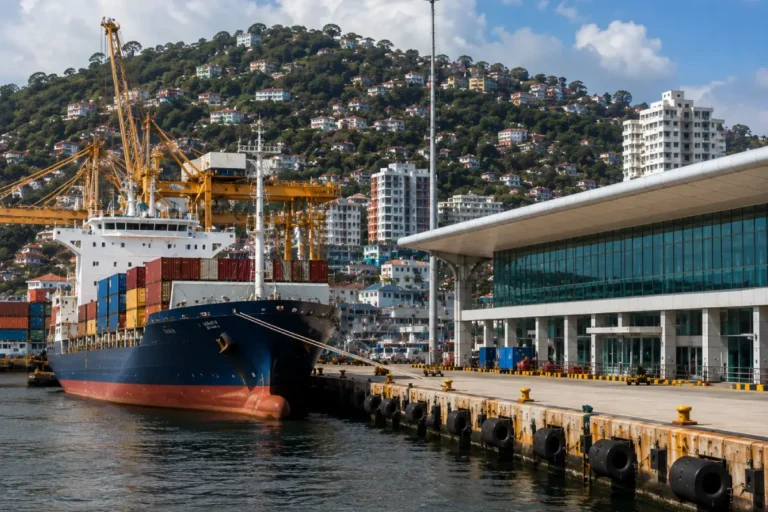
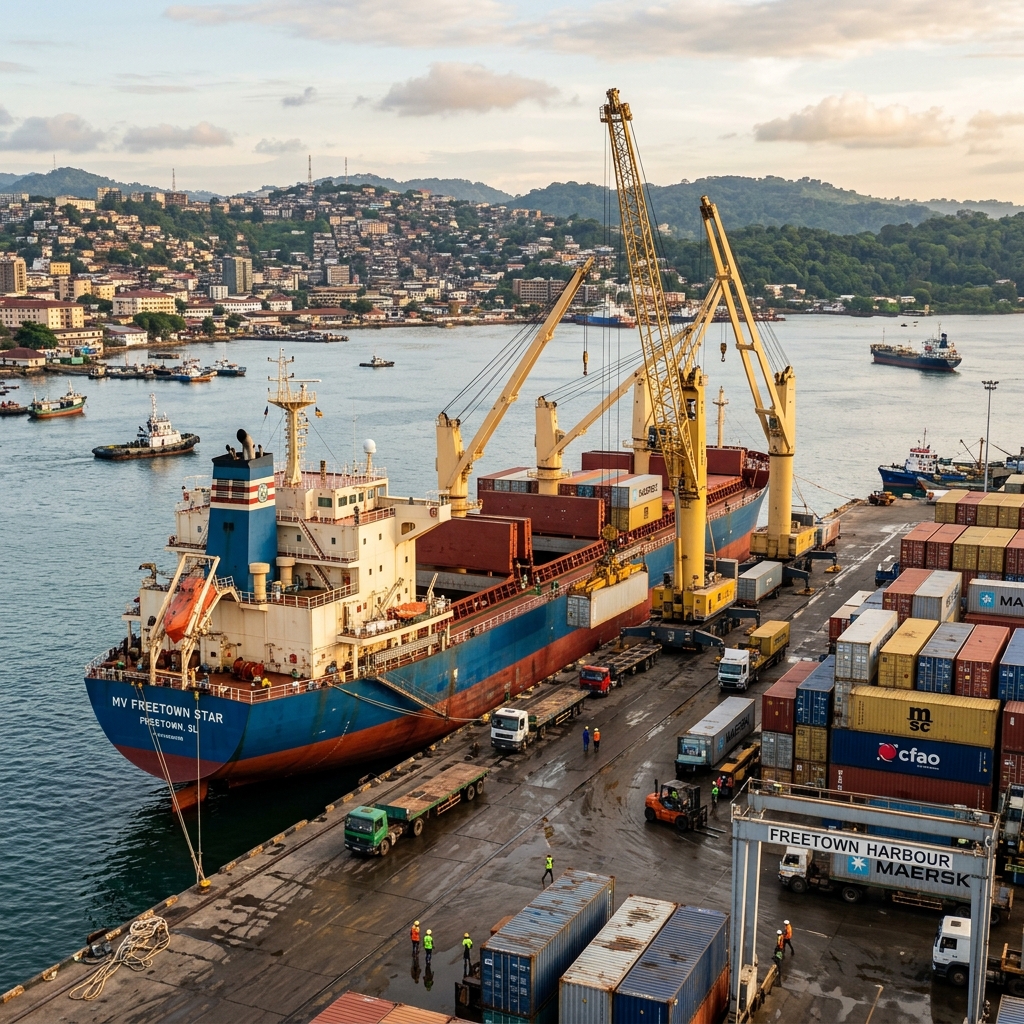
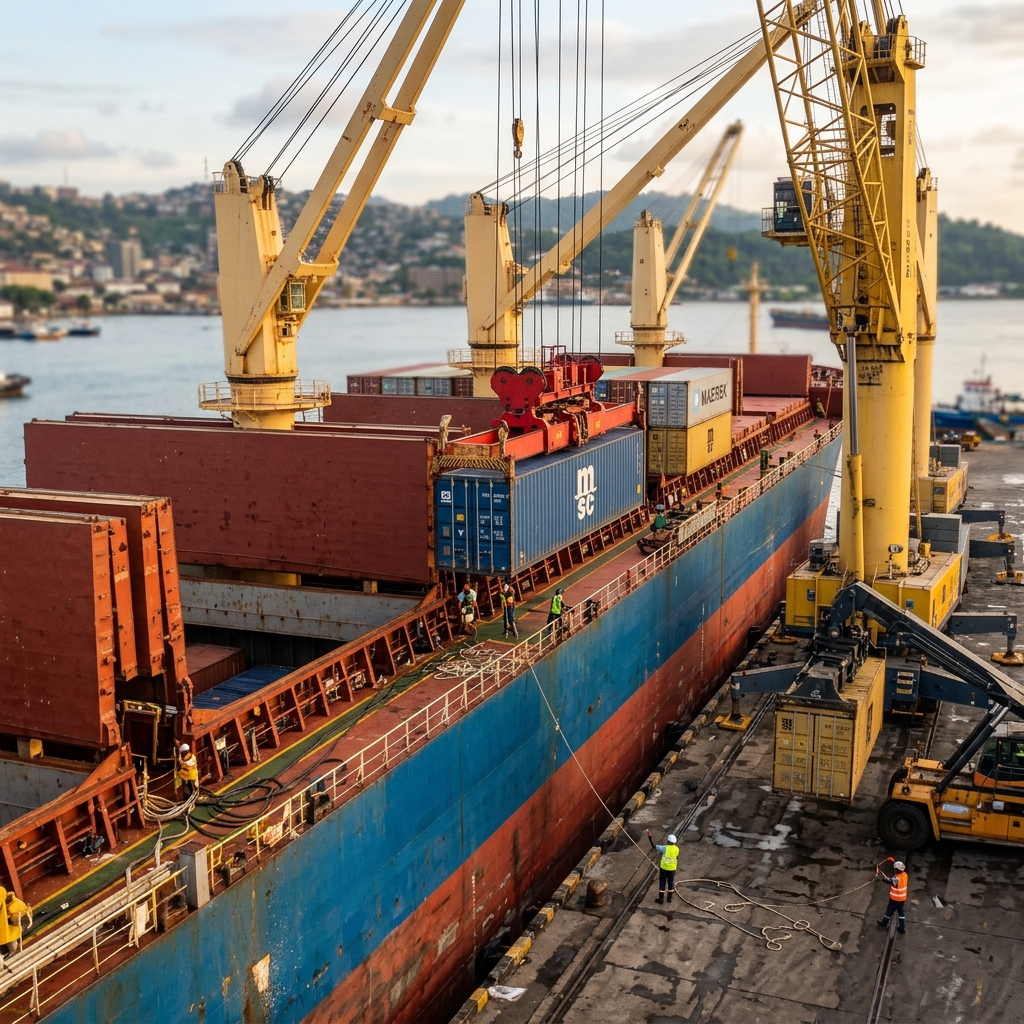
Unlocking Sierra Leone’s potential as a regional hub requires modernising maritime terminals and connectivity corridors. Freetown port logistics form the backbone of this transition, anchored by significant developments across our national trade network:
- Queen Elizabeth II Quay Port Expansion: Ongoing upgrades to berth capacity, deep-water container handling, and terminal management continue to reduce vessel turnaround times.
- Lungi International Airport & Logistics Corridor: Enhanced air cargo terminal facilities and critical bridge connectivity streamline high-value freight movement between the capital and international markets.
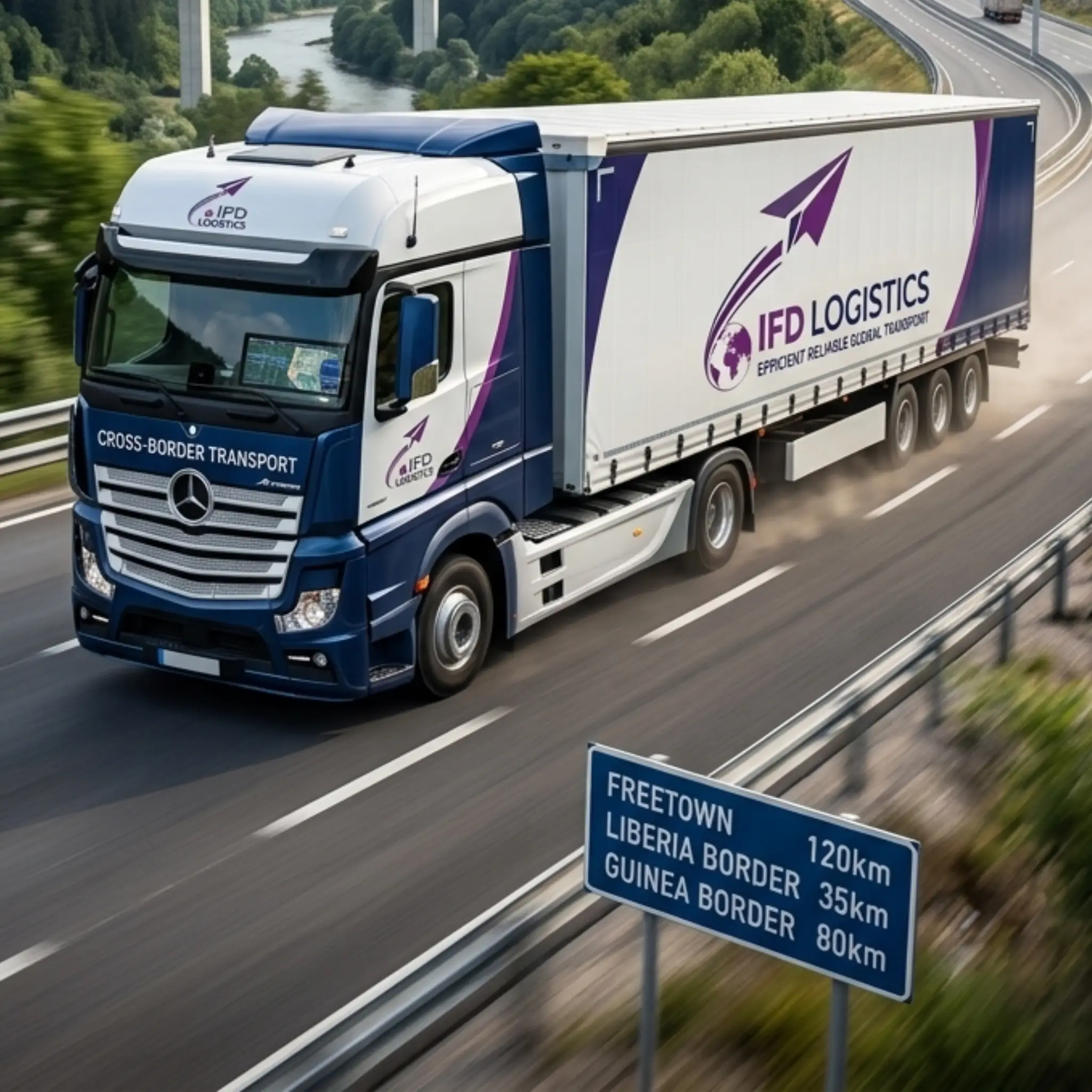
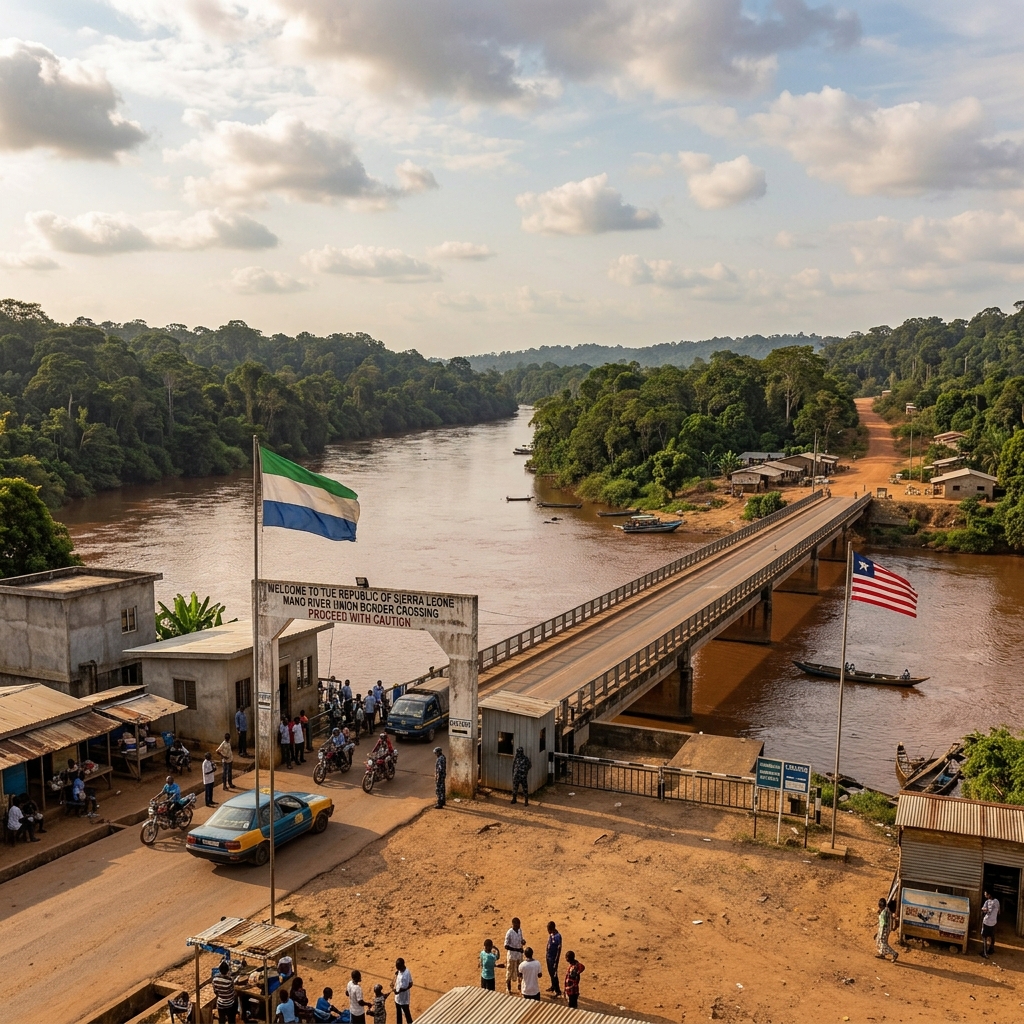
- Mano River Union Road Networks: The completion of key road corridors—such as the Bandajuma-Liberia border corridor and upgraded Freetown-Conakry highways—enables faster cross-border haulage into Guinea and Liberia.
- Pepel Railway & Mineral Logistics Assets: Restored rail and port links provide scalable heavy transport solutions connecting resource-rich inland hubs to coastal shipping lanes.
As regional volume grows, integrating air, sea, and land infrastructure creates unprecedented advantages for local businesses and multinational shippers alike.
Why Strategic Logistics Reduces Risk and Maximises Profitability
Transforming from a simple gateway into a regional hub relies heavily on efficient supply chain execution. When freight forwarders operate proactively, businesses eliminate costly delays at customs and secure competitive transit times.
Gender-diverse management teams, automated freight tracking, and proactive risk assessments allow modern logistics providers to respond rapidly during disruptions. Utilising optimal trade pathways ensures higher cargo safety, transparent tracking, and improved service delivery.
Businesses require more than basic freight handling. They need a partner that anticipates regulatory changes, secures prompt customs clearances, and optimizes complex routes.
How IFD Logistics Delivers Regional Advantage
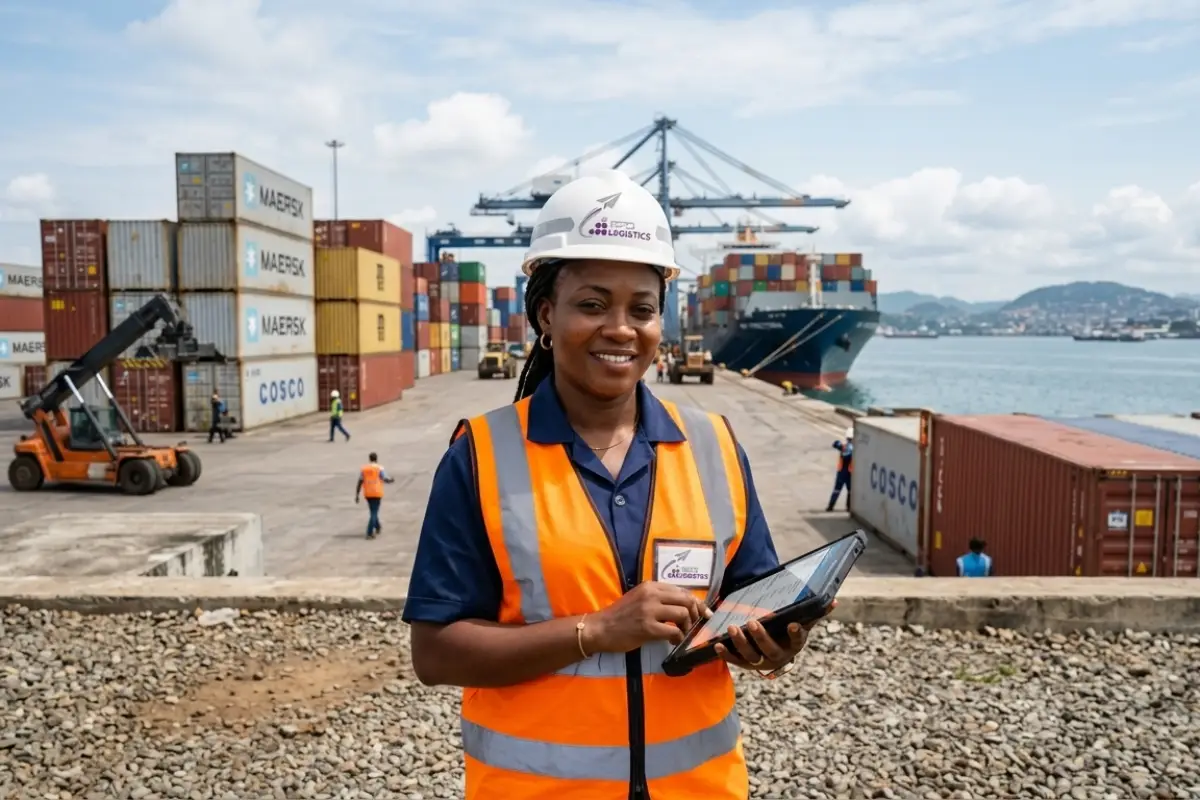
At IFD Logistics, we combine deep local expertise with progressive operational standards to keep your cargo moving smoothly. Our team works directly with customs authorities, terminal operators, and shipping lines to eliminate bottlenecks before they create supply delays.
Every sea freight, air cargo, and cross-border shipment undergoes meticulous planning and continuous monitoring. We ensure our clients never have to guess cargo status or navigate complex regulatory compliance alone.
Whether you import vital industrial components, ship agricultural goods, or manage complex project cargo, our end-to-end logistics solutions protect your business reputation and operational timeline.
5 Critical Pillars to Elevate Freetown Port Logistics
1. Digital Customs Clearing Systems: Accelerate documentation processing to prevent port congestion and reduce terminal storage fees.
2. Integrated Multi-Modal Transport: Connect deep-water sea freight directly to road and rail networks for rapid inland distribution.
3. Advanced Warehousing Infrastructure: Expand modern bonded warehousing facilities near port terminals to support regional transshipment.
4. Targeted Workforce Training: Invest in specialised logistics, supply chain management, and technical customs brokerage education.
5. Cross-Border Trade Harmonisation: Standardise transit policies across Mano River Union borders to lower international shipping costs.
Build a Resilient Supply Chain Today
Sierra Leone’s position as West Africa’s preferred trade hub is rapidly taking shape. Partnering with an experienced, forward-thinking logistics provider empowers your business to capitalise on expanding trade opportunities across the region.
Do not let outdated freight models delay your business growth. Fill out our Call Me Back form to speak directly with our supply chain team. Let IFD Logistics streamline your freight forwarding, customs clearance, and haulage operations throughout Sierra Leone and beyond.